At Namayingo, we believe that hands-on experience is the cornerstone of nursing and midwifery education. Our clinical training program bridges the gap between theoretical knowledge and practical patient care, preparing students to excel in real-world healthcare settings.
The main goals of our clinical training program are to:
Provide students with practical exposure to healthcare environments.
Develop competence in nursing and midwifery procedures.
Promote critical thinking and decision-making in patient care.
Foster professionalism, ethics, and patient-centered care.
Our students gain experience in well-equipped hospitals and healthcare centers.
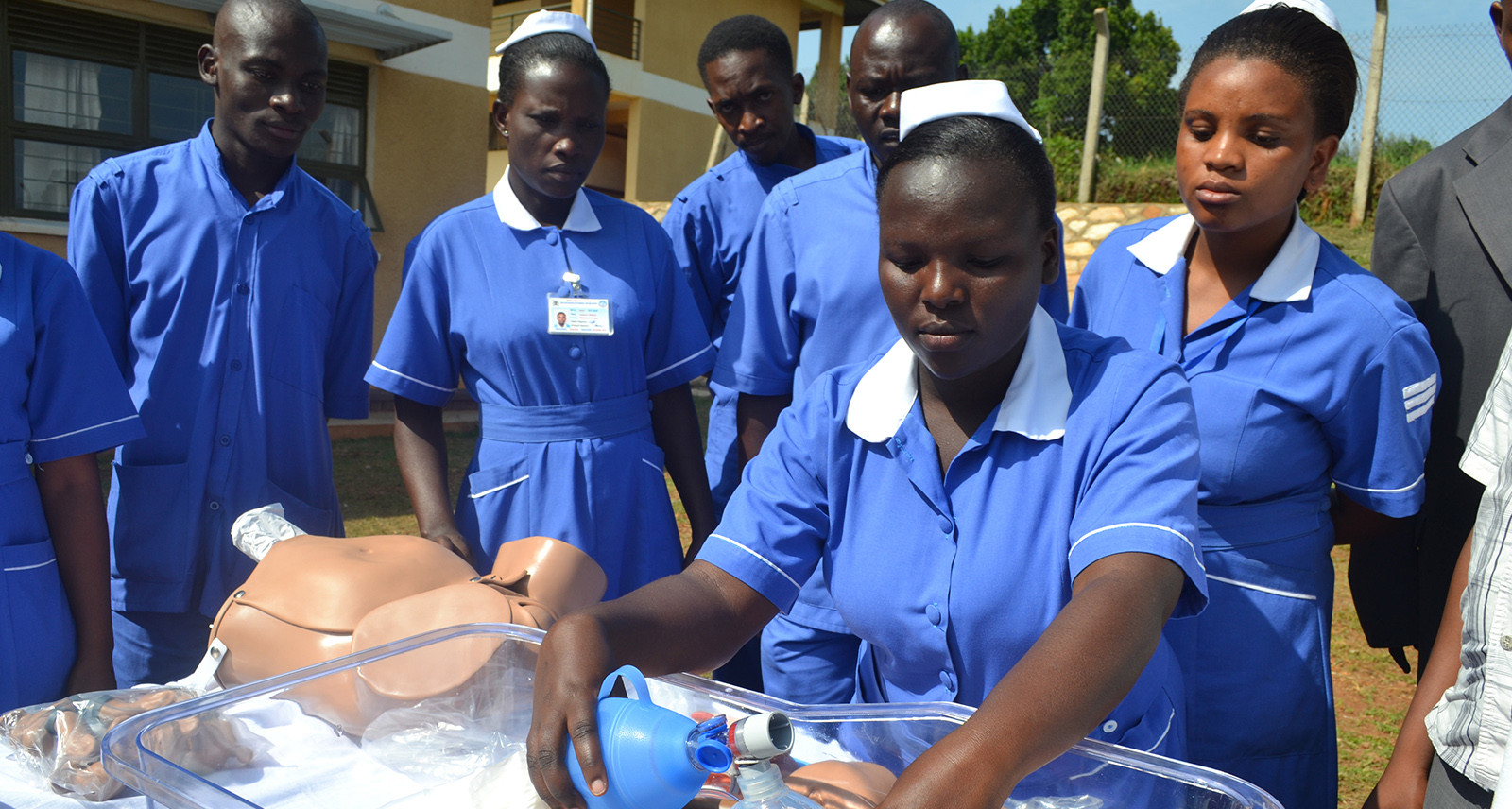
Collaborations with leading hospitals in Uganda for diverse clinical exposure.
Collaborations with leading hospitals in Uganda for diverse clinical exposure.
Collaborations with leading hospitals in Uganda for diverse clinical exposure.
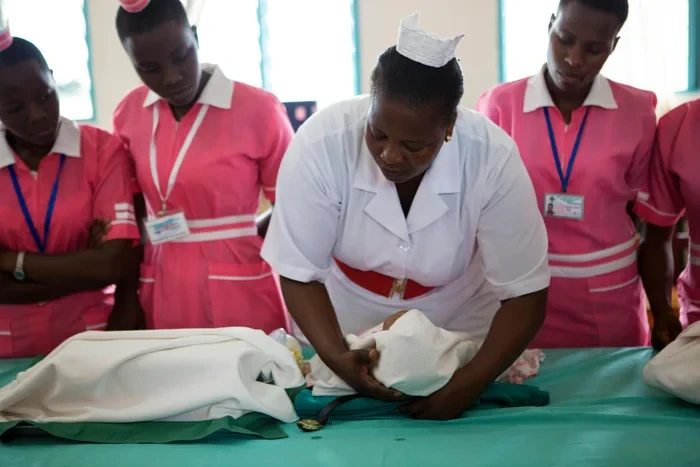
Hands-on training in rural and urban primary care settings.
Hands-on training in rural and urban primary care settings.
Hands-on training in rural and urban primary care settings.
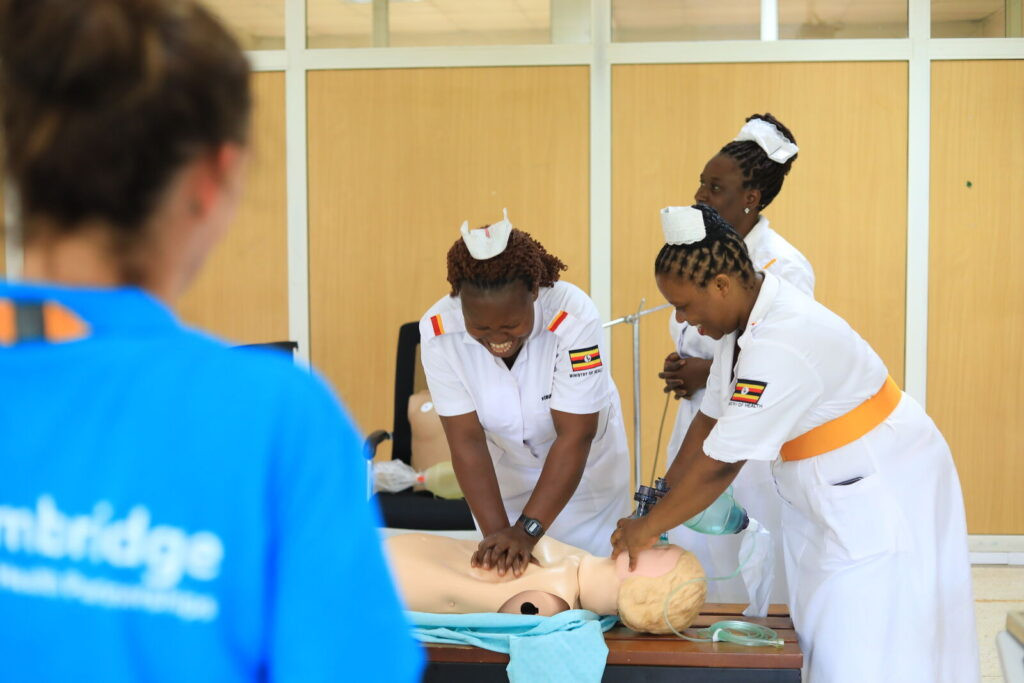
State-of-the-art labs for practicing procedures before patient contact.
State-of-the-art labs for practicing procedures before patient contact.
State-of-the-art labs for practicing procedures before patient contact.
Students rotate through key clinical areas to gain comprehensive experience:
Medical and Surgical Nursing
Maternal and Child Health
Pediatrics
Emergency and Critical Care
Mental Health and Psychiatry
Community and Public Health Nursing
Our clinical training is guided by experienced nurse educators and clinical mentors who:
Provide individualized guidance and feedback.
Ensure adherence to safety and ethical standards.
Encourage reflective learning and professional growth.
Student performance is evaluated through:
Direct observation of clinical skills.
Practical demonstrations and simulations.
Case studies and patient care documentation.
End-of-rotation competency assessments.
By the end of the program, students will:
Gain confidence in performing clinical procedures.
Develop the ability to make critical decisions under supervision.
Acquire essential soft skills such as communication, empathy, and teamwork.
Be ready to serve effectively in hospitals, clinics, and community health settings.
Our clinical training is an essential step toward becoming a skilled and compassionate nurse or midwife. **Apply today** and take the first step toward a rewarding healthcare career.